
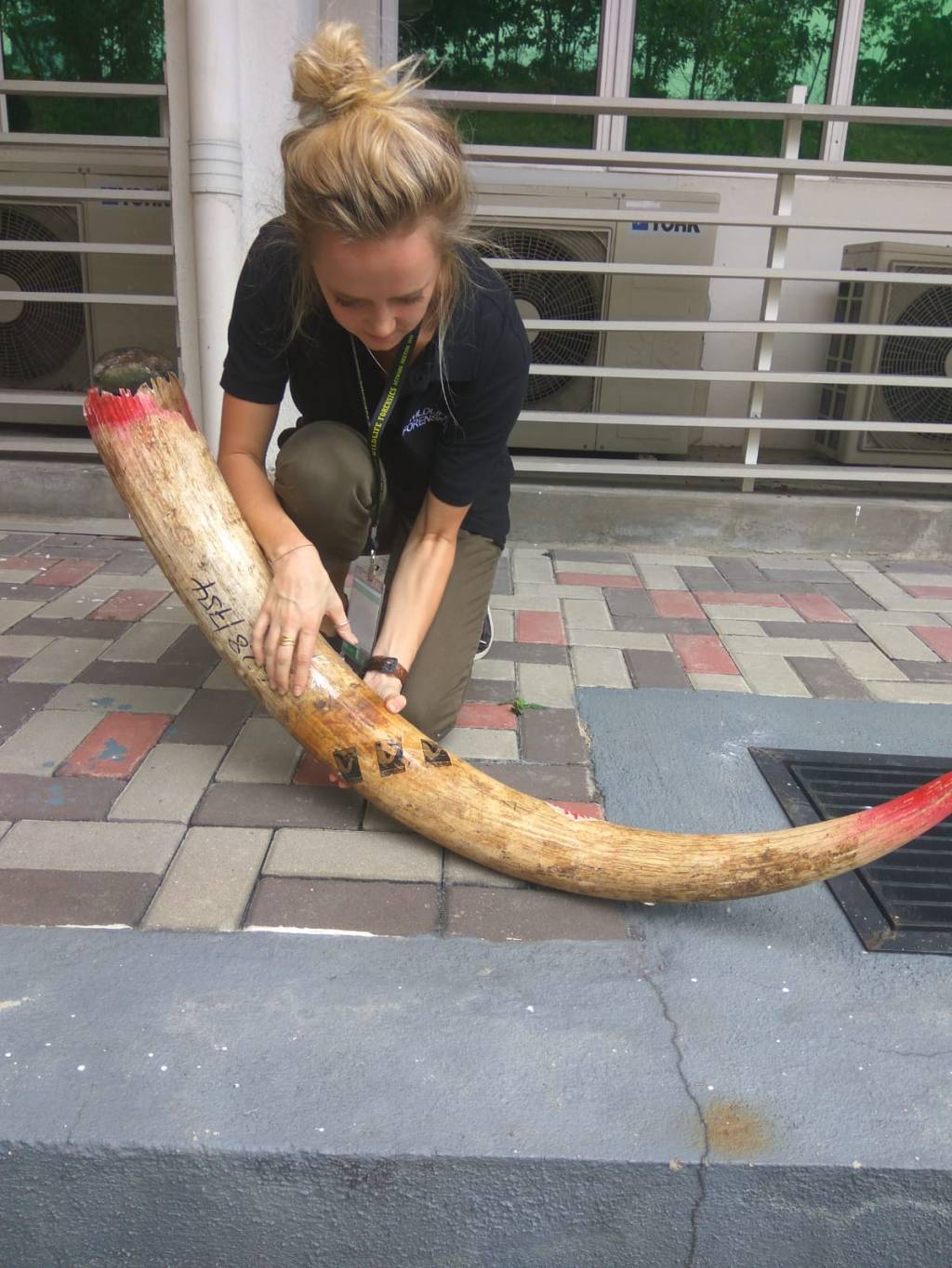
Scrapes of metal against metal. Light illuminates the container’s contents. Stacks of pointed parcels and bulging bundles. “Let’s check one”. Above the harbour, a bird calls, but those below do not answer.
…What is it?
…Where does it come from?
…Can we link it to anything else we’ve seen?
These are typical questions asked by a government enforcement officer when faced with a table of seized, biological-looking items.
Wildlife forensic science, or the application of scientific methods to a crime scene investigation, can help answer some of these questions to provide evidence for a legal case in court.
These methods can range from morphological, genetic, or chemical, and can theoretically be applied to any biological material involved in a case.
Take, for example, shark fin – a luxury seafood item in Asia, a necessity for a shark to swim.
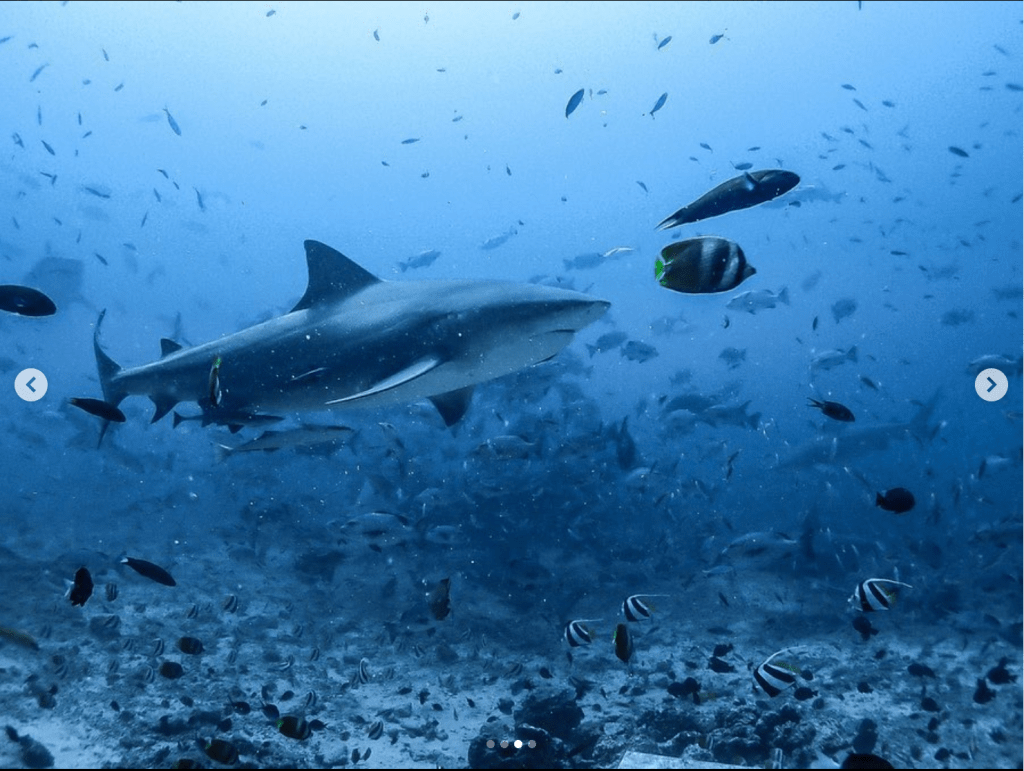
The problem is, some shark species are legal to trade internationally, some are not. How does the custom’s officer know whether or not to allow the shipment of fins to be released into Hong Kong’s famous dried seafood markets?
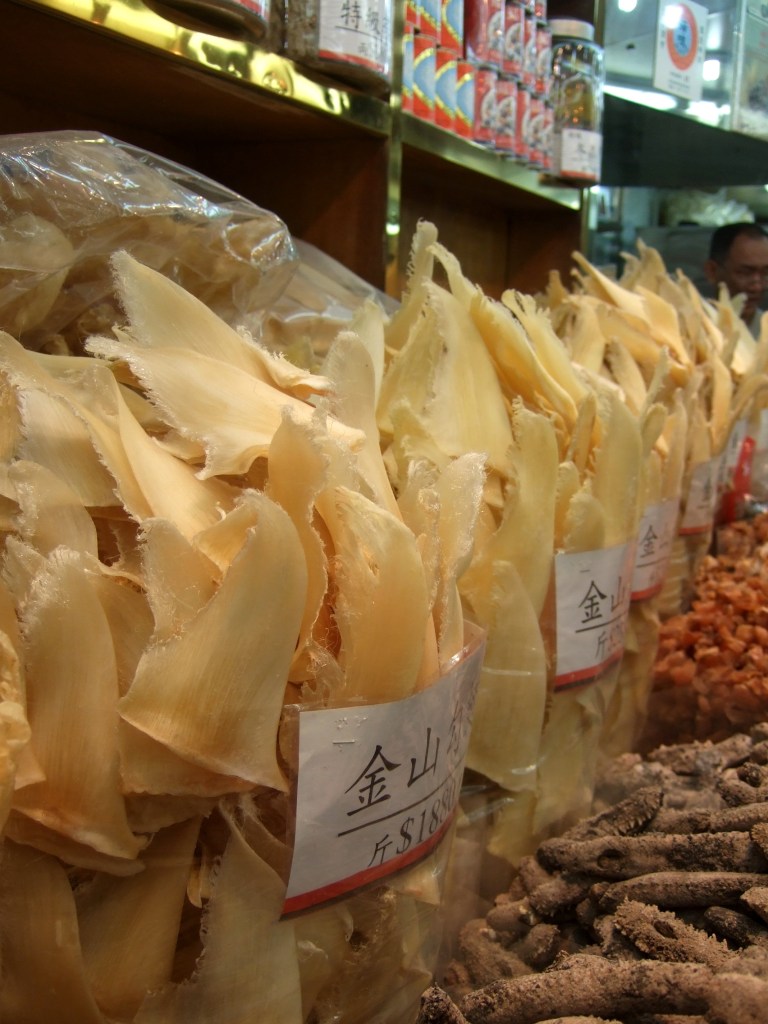
Credit: Bloom Association
Stepping back a bit. The international trade of wild animals and plants is regulated by the Convention on International Trade in Endangered Species of Wild Fauna and Flora, or CITES. This Convention regulates species based on their needs and status across the globe.
For sharks, although there are ~400 species across the world, not all species are listed under CITES. This means that some are legal to trade, some are not. How do you tell?
- Morphological
This is probably the easiest/quickest method, with some illegal species having clear defining features.
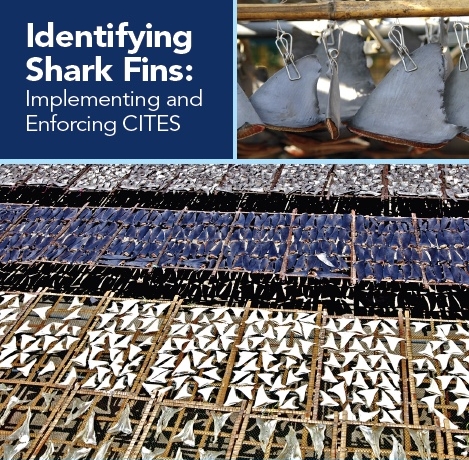
- Genetic
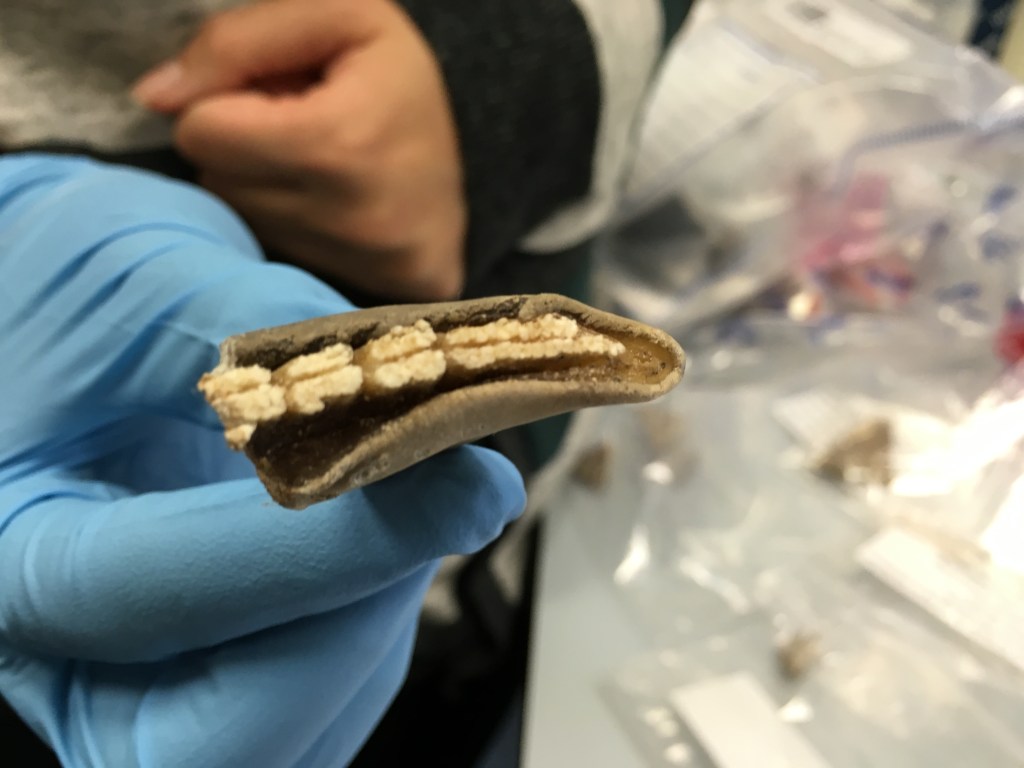
However, shark fins are usually skinned, dried, and bleached, in preparation for the soup it will be turned into. This makes morphological ID difficult. Genetic methods can provide an accurate alternative in these cases (for examples, see Fields et al., 2015 and Cardeñosa et al., 2017). By using specific genetic markers that target sections of the shark’s genome, species can be relatively rapidly identified.
- Chemical
What if an international investigation wants to know where a certain shark fin seized somewhere has come from? As an alternative to genetic assignment methods, we can use stable isotopes in tissues to trace back to the diet and environmental origin of an animal/plant (see Chesson et al., 2014 for details).
The suitability of stable isotope analysis (SIA) for a case may depend on the species and the data already available for that species (Cusa et al., 2022). Although SIA has been tested on shark fins (Hussey et al., 2011), a lot of environmental reference isotope data (or, isoscape data) is necessary to narrow down the point of origin, which can be difficult. Therefore SIA applications are not as widely used in wildlife forensic science as morphological and genetic methods.
Training
Whatever the analyses, those making the calls need to be properly trained. The analyses preferably need to be conducted with protocols and labs containing quality assurance methods and standards. Your evidence needs to be able to stand up in court.
The Society for Wildlife Forensic Science is an “international organisation that supports practitioners and promotes best practice in wildlife forensic science”. On their website, people conducting forensic tests can access information to help them perform their analyses to the standard required in court.
If you don’t want to be caught out as an expert witness testifying to poorly analysed evidence – check them out.
Why do we need all this?
Much of this illegal trade in wildlife parts and products is part of much larger organised crime movements. This often means big money and financial laundering. In fact, wildlife trafficking is among the top four largest organised crimes globally, alongside drug, arms, and human trafficking.
Then there is the ever-increasing problem of global biodiversity loss. Wildlife trade is the second biggest threat to biodiversity, following habitat loss around the world. A recent study found that 958 threatened species listed on the International Union for Conservation of Nature (IUCN), were at risk of extinction because of international trade.
Ecosystem impacts. As species are removed from the environment, such as a top predator (e.g., shark) this disrupts the food chain in a series of knock-on effects – a process called a trophic cascade.
And finally, environmental justice. With certain countries spreading their fishing fleets across much of the world’s oceans, and often illegally, this brings into light human rights and environmental ownership issues as well.
So, what’s more to say?
Wildlife forensic science can help governments prevent these gigantic wicked problems that persist everywhere across the globe, and it is important that this new and emerging forensic field is taken seriously to have the biggest impact.

References:
Cardeñosa, D., Fields, A., Abercrombie, D., Feldheim, K., Shea, S. K., & Chapman, D. D. (2017). A multiplex PCR mini-barcode assay to identify processed shark products in the global trade. PloS one, 12(10), e0185368. https://doi.org/10.1371/journal.pone.0185368.
Chesson L.A., Tipple B.J., Howa J.D., Bowen G.J., Barnette J.E., Cerling T.E. and Ehleringer J.R. (2014) Stable Isotopes in Forensics Applications. In: Holland H.D. and Turekian K.K. (eds.) Treatise on Geochemistry, Second Edition, vol. 14, pp. 285-317. Oxford: Elsevier. https://www.ehleringer.net/uploads/3/1/8/3/31835701/447.pdf
Cusa, M., St John Glew, K., Trueman, C., Mariani, S., Buckley, L., Neat, F., & Longo, C. (2022). A future for seafood point-of-origin testing using DNA and stable isotope signatures. Reviews in Fish Biology and Fisheries, 32(2), 597-621. https://doi.org/10.1007/s11160-021-09680-w.
Fields, A. T., Abercrombie, D. L., Eng, R., Feldheim, K., & Chapman, D. D. (2015). A novel mini-DNA barcoding assay to identify processed fins from internationally protected shark species. PloS one, 10(2), e0114844. https://doi.org/10.1371/journal.pone.0114844.
Hussey, N. E., Chapman, D. D., Donnelly, E., Abercrombie, D. L., & Fisk, A. T. (2011). Fin‐icky samples: an assessment of shark fin as a source material for stable isotope analysis. Limnology and Oceanography: Methods, 9(11), 524-532. URL: https://aslopubs.onlinelibrary.wiley.com/doi/pdfdirect/10.4319/lom.2011.9.524
 Chloe Hatten
Leave a comment